Many people who have suffered a brain injury, have dementia or a neurological disease, experience eating, drinking, or swallowing difficulties (EDS). EDS difficulties are sometimes referred to as dysphagia.
These changes occur when the brain’s control of the muscles involved in chewing, moving food around the mouth, and protecting the airway is disrupted.
Dysphagia can affect any stage of the swallow and may lead to discomfort, reduced nutrition, dehydration, food and drink entering the airway and anxiety which may lead to avoidance of social eating and drinking.
Common signs and symptoms include:
- Coughing or choking during meals
- A wet, gurgly or weak‑sounding voice after swallowing
- Food sticking in the mouth or throat
- Drooling or difficulty managing saliva
- Taking a long time to finish meals
- Recurrent chest infections
- Unexplained weight loss or dehydration
- Avoiding certain foods or appearing anxious when eating
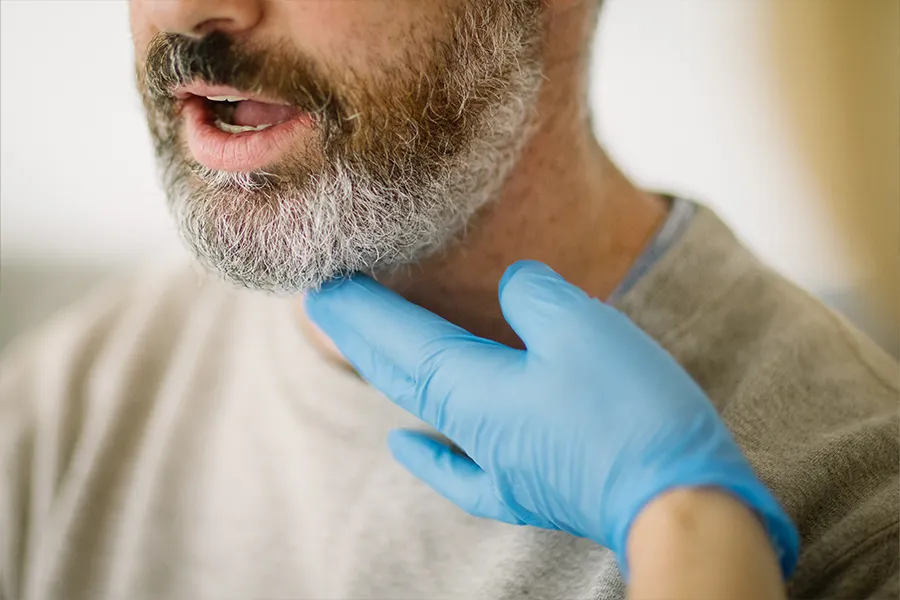
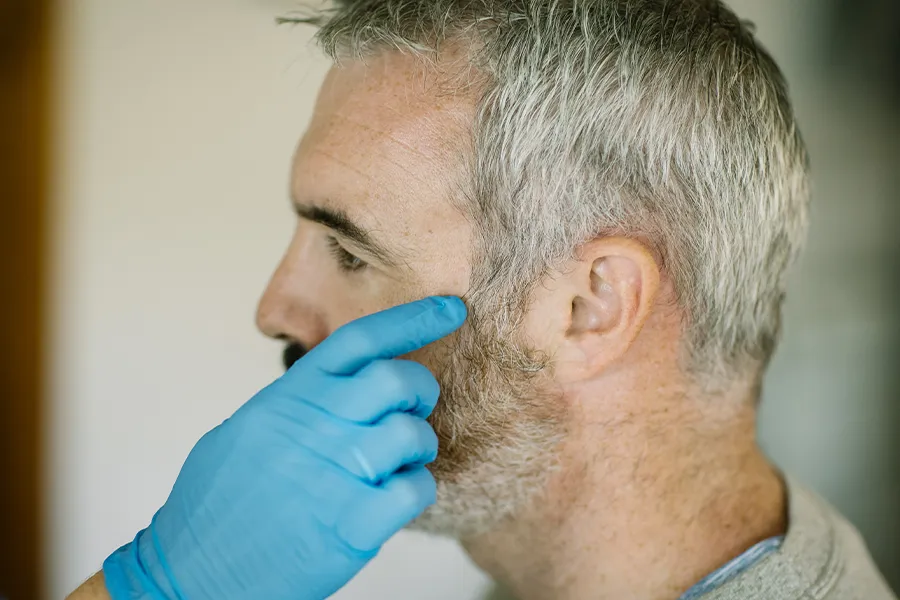
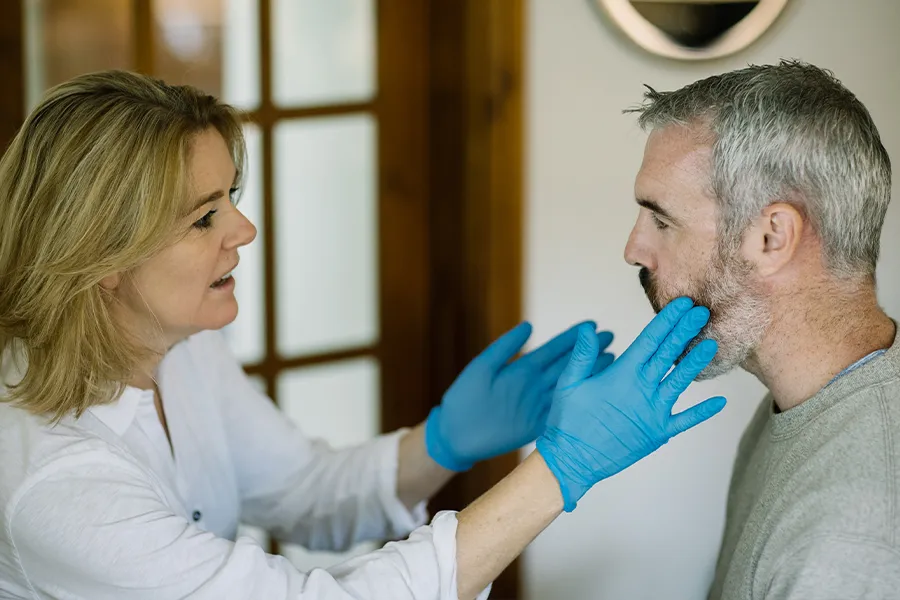
Speech and Language Therapists play a crucial role in assessing swallowing safety, identifying the underlying cause, and recommending strategies or texture modifications to reduce risk.
We help ensure that eating and drinking remain as safe, comfortable, and enjoyable as possible, while also supporting nutrition, hydration, and quality of life.
We work closely with families, carers, and the wider MDT to create consistent, evidence‑based plans that protect the person’s health and dignity.